Personalized Algorithms and Their Role in Distributing Loyalty Rewards Across Mobile Game Platforms
Written by Freya Jenkins · Nov 14, 2026
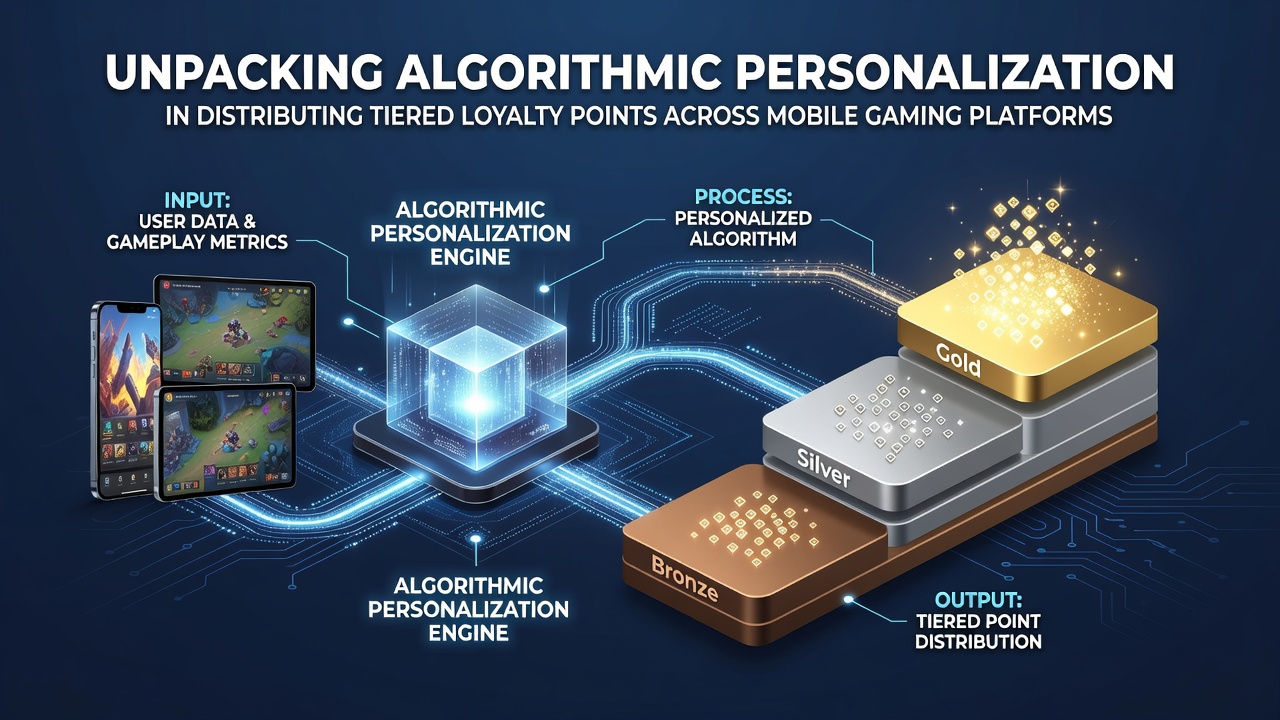
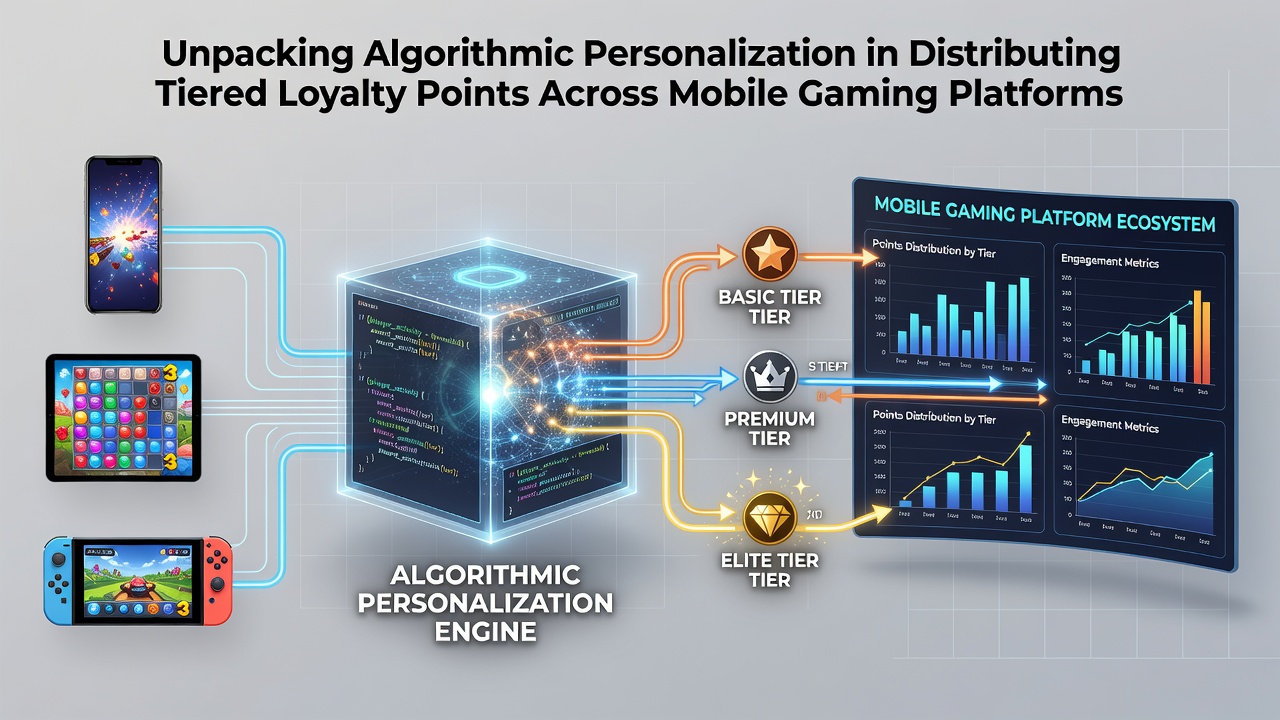
Personalized Algorithms and Their Role in Distributing Loyalty Rewards Across Mobile Game Platforms
Algorithmic personalization now shapes how mobile gaming platforms assign tiered loyalty points, using player data to adjust reward structures in real time. Platforms collect metrics on session length, in-app purchase frequency, and engagement patterns before feeding that information into models that determine point multipliers and tier thresholds. Data from industry reports shows these systems operate across multiple regions, with developers in Asia and North America deploying similar frameworks since early 2025.
Developers integrate machine learning layers that segment users into dynamic groups, then apply different point accrual rates based on predicted lifetime value. One study from a European research consortium found that personalization engines increased retention metrics by reallocating points toward mid-tier users who showed signs of declining activity. The models update nightly, incorporating fresh telemetry from millions of devices while respecting regional data protection rules enforced by bodies such as the Australian Communications and Media Authority.
Data Inputs Driving Point Allocation Models
Platforms pull variables that include device type, geographic location, time-of-day play habits, and social features usage. These inputs feed decision trees and neural networks that calculate personalized point bonuses. According to figures released by the Interactive Games and Mobile Association, average point yields for high-engagement cohorts rose 18 percent between January and November 2026 after several major studios refined their weighting formulas. Lower-engagement players receive steadier but smaller increments designed to encourage incremental progress toward the next tier.
Cross-platform data sharing agreements allow some studios to import behavioral signals from non-gaming apps, though regulators in Canada have begun reviewing the scope of such transfers. The resulting profiles influence not only point quantities but also the visibility of upcoming tier benefits displayed within the app interface.
Tier Structures and Real-Time Adjustments
Most systems maintain four to six tiers, with entry requirements recalculated weekly for each user cohort. Algorithms apply decay functions that reduce inactive accounts' effective tier status while preserving historical point balances. Observers note that these adjustments prevent point inflation yet maintain perceived fairness across player bases. In November 2026 several platforms introduced seasonal modifiers tied to global events, automatically elevating point rates during limited windows without manual intervention from studio teams.
Examples include battle-pass style systems where algorithmic forecasts determine whether a user receives accelerated progress toward premium rewards. Research from academic groups tracking Southeast Asian markets indicates that such targeted acceleration correlates with higher completion rates for seasonal challenges compared with uniform distribution methods.
Regulatory and Technical Considerations
Compliance teams review algorithmic outputs against fairness standards set by multiple jurisdictions. The Singaporean Infocomm Media Development Authority published guidelines in mid-2026 requiring transparency reports on how personalization affects reward equity. Studios respond by maintaining audit logs that trace point decisions back to specific input features, enabling rapid correction if anomalies appear. Technical architecture relies on edge computing nodes that process personalization logic locally to reduce latency while still syncing aggregate trends to central servers.
Encryption standards protect individual profiles during transmission, and platforms conduct periodic third-party assessments to verify that models do not inadvertently disadvantage protected demographic segments. Industry associations have begun sharing best-practice frameworks that outline minimum documentation requirements for these assessments.
Future Developments in Personalization Logic
Emerging techniques incorporate reinforcement learning agents that test point allocation strategies in simulated environments before deployment. These agents optimize for metrics such as session frequency and cross-title migration while staying within predefined ethical bounds. Reports from North American analytics firms project continued growth in the use of federated learning, allowing models to improve across devices without centralizing raw player data.
Integration with wearable device signals and cloud gaming telemetry represents the next expansion area, though adoption remains limited as of late 2026. Developers continue to refine fallback mechanisms that default to static point schedules when connectivity drops or regulatory flags trigger.
Conclusion
Algorithmic personalization now forms a core component of tiered loyalty distribution on mobile gaming platforms, relying on continuous data streams and adaptive models to set point values and tier access. Regulatory oversight from diverse regions shapes implementation details, while technical advances support more granular yet privacy-conscious adjustments. The landscape continues to evolve as platforms balance engagement goals with compliance requirements through November 2026 and beyond.